
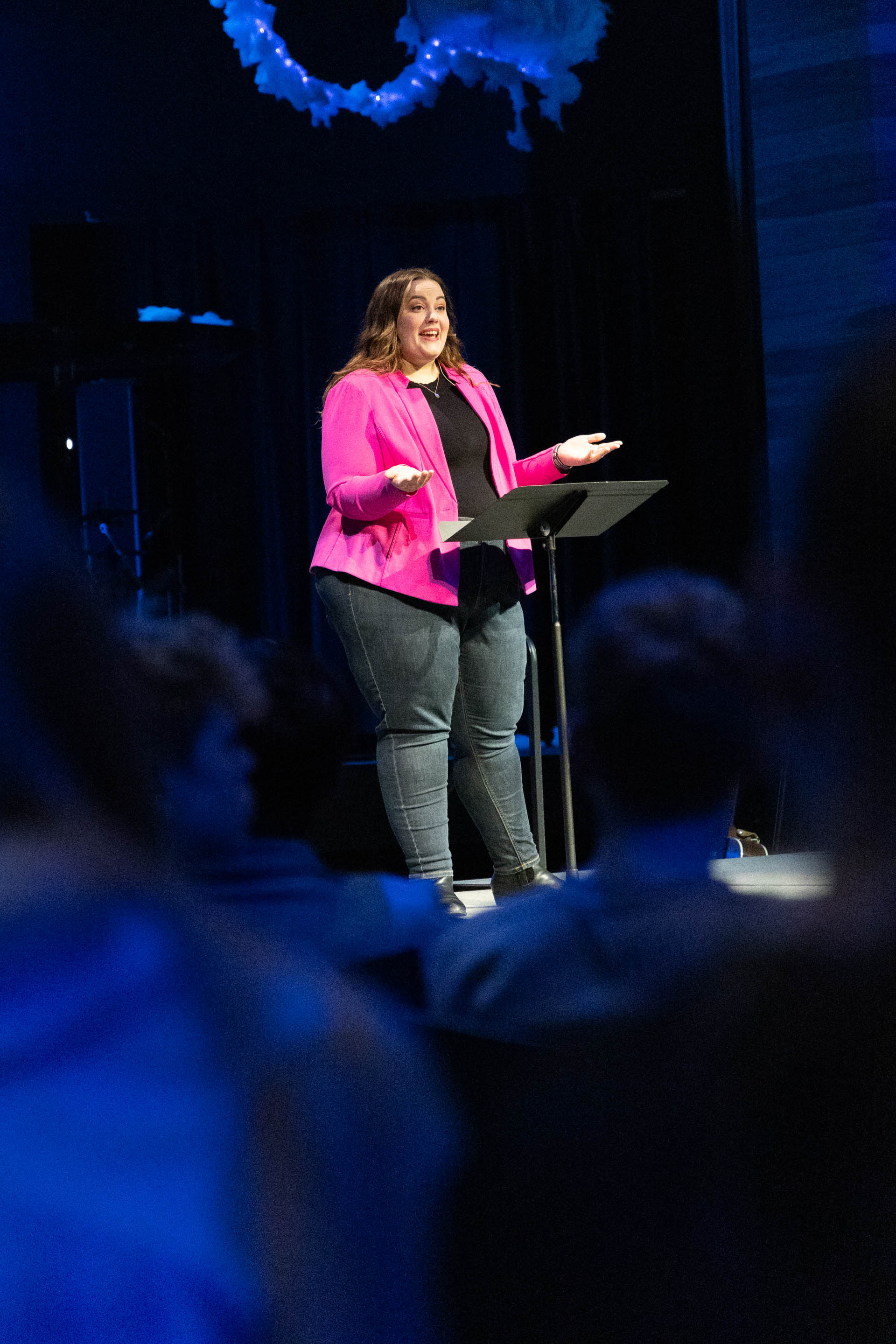
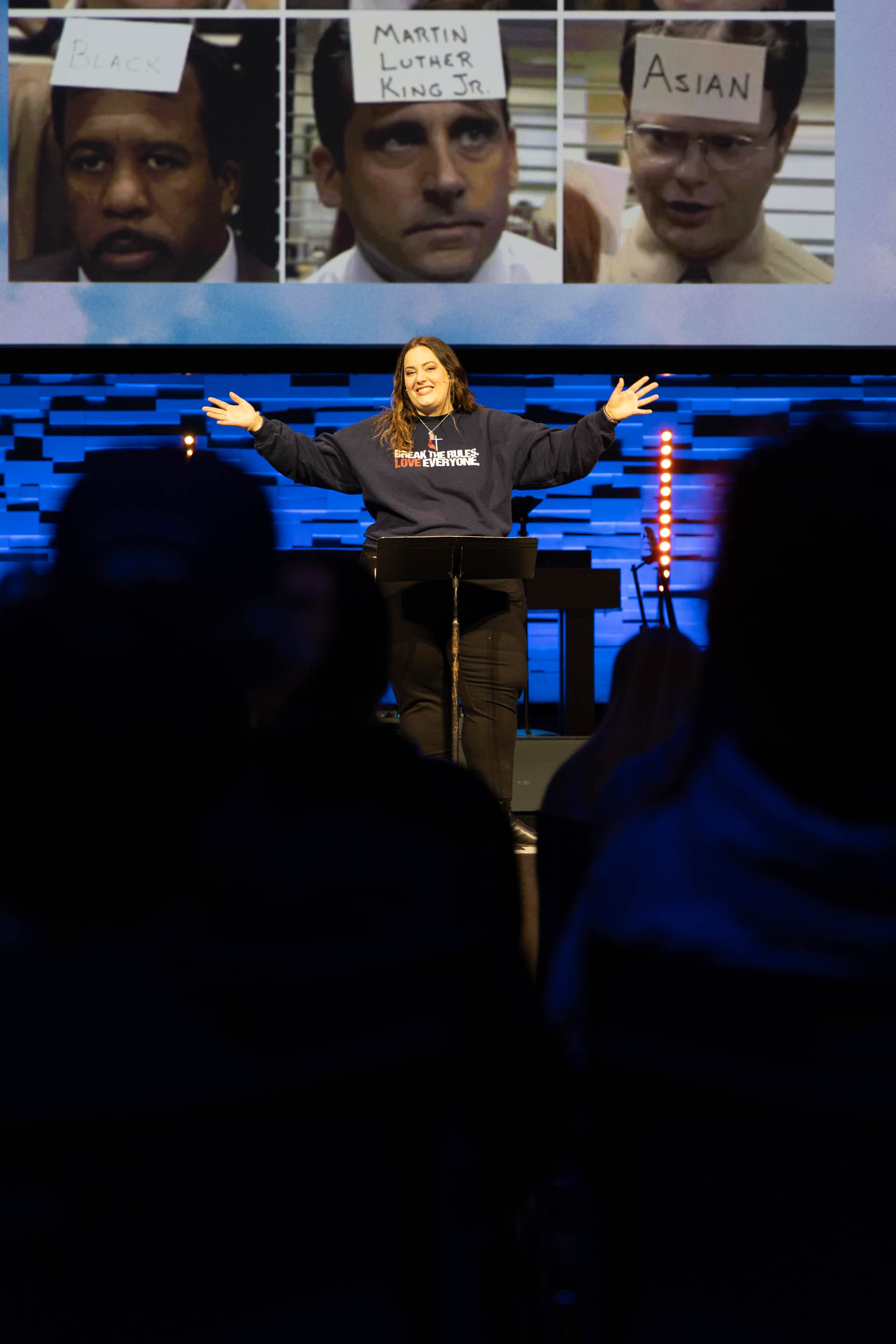
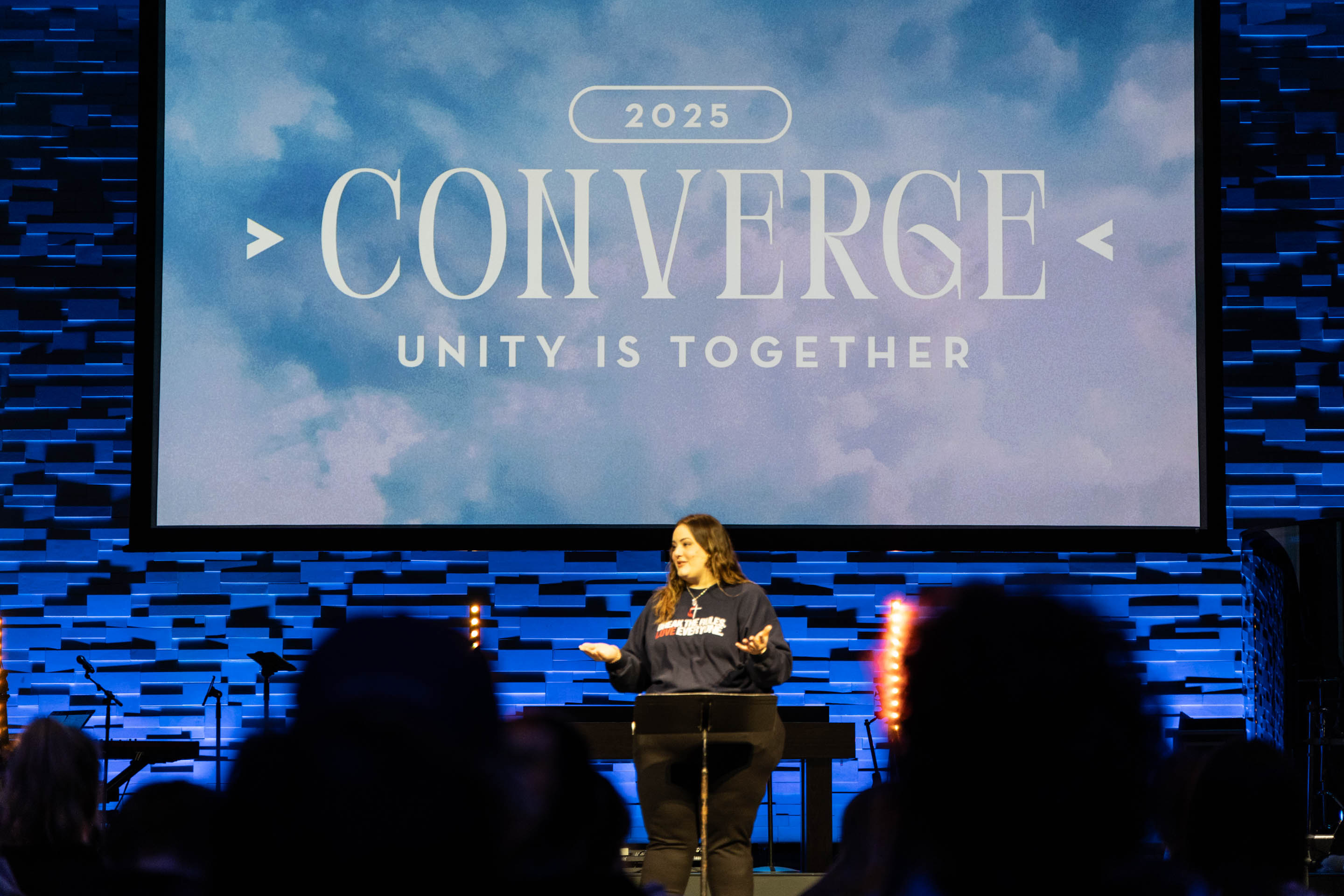
This spring, I had the honor of speaking at the first-ever Converge Conference—a collaboration between Church of the Resurrection in Kansas City and the United Methodist Conferences of Missouri and Great Plains. With students and leaders from across Kansas, Missouri, and Nebraska gathering under one roof, we leaned into a theme that’s as timely as it is tough: unity.
Let’s be real—unity is not an easy topic in our world right now. We’re divided by politics, theology, race, identity, class, and more. Even in the Church, Sunday mornings often reflect more division than unity. So, when I was invited to speak on this subject, I didn’t take the challenge lightly.
Across three sessions, I explored what it means to truly converge—to come together from different places, perspectives, and personalities—and find common ground in Christ.
In the first session, we looked at how Jesus gathered his disciples in Mark 3. These were not carbon copies. He called fishermen, a tax collector, and a Zealot—people who, under normal circumstances, would’ve had every reason to avoid each other. But Jesus didn’t call them because they were alike. He called them into a mission that was bigger than their differences. The disciples converged not because they thought the same way, but because they trusted the same Savior.
In the second session, we wrestled with how unity doesn’t come naturally. The disciples argued over who was the greatest—even after witnessing miracles. We’re not so different. We all want to be heard, to be right, to be safe. But unity requires more: respect, honesty, humility, and mercy. We found inspiration in Bishop Mariann Budde’s sermon at the National Prayer Service, where she reminded us that unity must be built on the dignity of every human being, a commitment to truth, and a spirit of compassion. Her words echoed the vows of our baptismal covenant and gave us a framework for what real Christian unity can look like.
We also explored real-world examples, like the Evangelical Immigration Table—a coalition of Christian leaders from across the political and theological spectrum who are working together to advocate for compassionate immigration reform. They don’t agree on everything. But they agree that families should be together, that people are made in the image of God, and that fear should never drive policy. This, too, is unity. Not uniformity, but a shared commitment to love and justice. If they can come together across so many divides for a common good, maybe we can too.
In our final session, we turned to the story of the Good Samaritan and Jesus’ challenge to “go and do likewise.” I reminded students that our baptismal covenant is more than a Sunday ritual—it’s our shared mission: to recognize the image of God in every person, to resist injustice, and to co-create a world that looks more like heaven.
One moment I’ll never forget: we invited students to create bracelets during the last session—braided strands that represented different colors, different people, coming together to form something stronger. At the end, we encouraged them to exchange bracelets with someone they hadn’t talked to yet. It was such a simple act, but it held deep meaning. Because when we converge and intertwine our stories, we are stronger than we ever could be alone.
Unity isn’t about agreement. It’s about commitment. A commitment to see each other as sacred, to listen even when we don’t understand, to fight for the dignity of others even when our experiences differ. It asks us to show up with humility and curiosity. To be people who ask, “What’s underneath the surface?” before we judge.
As someone who’s journeyed through four denominations in my own faith story—Southern Baptist, Presbyterian, Methodist, and now Episcopal—I know firsthand how difficult and holy this work is. I used to get angry at people who believed the things I used to believe. But over time, I’ve learned that transformation doesn’t require contempt. It requires mercy. It requires looking at someone across the aisle and saying, “You’re still God’s child. And so am I.”
This weekend didn’t resolve all our differences. It didn’t hand us a five-step plan to achieve world peace. But it gave us a meeting point. A reminder that we all have a place at the table. And that’s a holy start.


 Heather Lea Campbell